Closer to the Node: The Underground Infrastructure Race Giving Crypto Bettors a Millisecond Edge
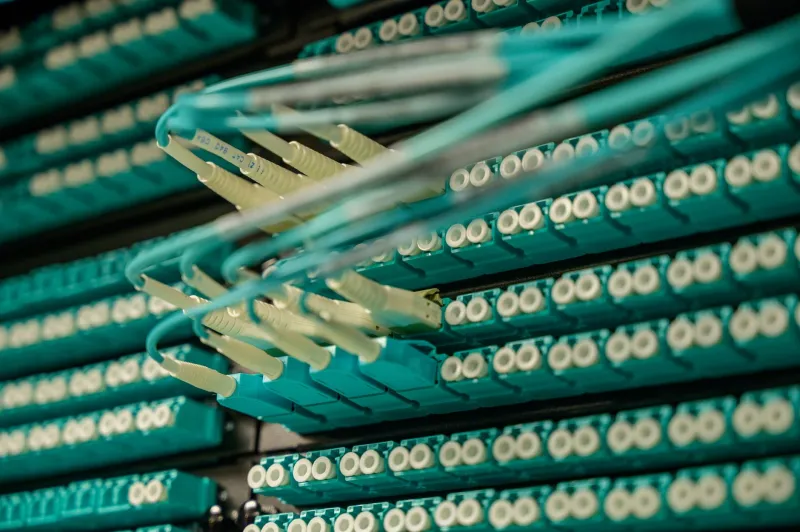
Most people think winning at crypto gaming comes down to strategy, bankroll management, or maybe just dumb luck. But a quieter, geekier competition is happening underneath all of that — one measured not in dollars but in microseconds. Welcome to the colocation arms race, where the edge isn't in your head. It's in your rack space.
What Even Is Colocation?
Colocation, or "colo" in data center speak, is the practice of renting physical server space inside a professional data facility rather than running your own hardware at home. You own the machine. The facility provides the power, cooling, and — most importantly — the fiber connections.
In traditional high-frequency trading, Wall Street firms have been doing this for decades. They pay enormous premiums to park servers inside the same buildings as stock exchanges, because being physically closer to the matching engine means orders arrive faster. We're talking single-digit millisecond advantages that, at scale, translate into billions of dollars.
Crypto gaming is now starting to borrow that same playbook.
Why Milliseconds Matter in Crypto Wagering
Not every crypto game rewards speed. Slots, poker, and most provably fair casino games don't care when your transaction lands — the outcome is already determined by the time your bet confirms. But a different category of crypto wagering does care. A lot.
Think about on-chain prediction markets, live odds platforms that update in real time, or automated wagering bots racing to grab favorable lines before the market corrects. In these environments, the player whose transaction hits the mempool first has a genuine structural advantage. A 30-millisecond head start isn't just nice to have — it's the difference between getting the bet confirmed or watching the opportunity evaporate.
Layer 2 solutions and high-throughput chains like Solana have made this even more pronounced. When blocks are confirming in under 400 milliseconds, the physical distance between your machine and the nearest validator node isn't trivial anymore.
The Underground Market Nobody Talks About
Here's where things get interesting. There's a loose, largely informal network of crypto-native infrastructure providers who specifically market proximity to major blockchain nodes. Some operate through standard colo providers like Equinix or CoreSite, where you can rent a half-rack near a known Ethereum or Solana validator cluster. Others are more boutique — small operations running hardened servers in the same buildings as major exchanges or RPC endpoints.
Pricing varies wildly. Entry-level proximity hosting starts around $300 to $600 per month for a single dedicated server with a fat pipe. Premium proximity slots — think sub-1ms latency to a major chain's RPC node — can run $2,000 to $5,000 monthly, and that's before you factor in the custom networking hardware some serious players deploy.
There are Discord servers, Telegram groups, and private forums where this infrastructure is quietly bought, sold, and compared. It's not illegal. It's not even that secret. It's just not something the average crypto gamer has ever thought about.
The ROI Calculation Nobody Wants to Do Honestly
Okay, let's be real about the math here. Because this is where a lot of people get swept up in the cool factor and forget to actually run the numbers.
If you're spending $1,500 per month on colocation to gain a speed advantage in crypto wagering, you need to generate at least $1,500 per month in additional profit that you wouldn't have made otherwise. Not total profit — additional profit attributable specifically to that speed edge.
For a bot running automated arbitrage across prediction markets or exploiting mispriced live odds at scale? That math can work. If your bot is placing hundreds of trades daily and capturing even a fraction of a percent more value per trade because of faster execution, the monthly infrastructure cost can pay for itself.
For a solo player manually placing bets on a crypto gaming platform? Almost certainly not. Human reaction time is measured in hundreds of milliseconds at best. Paying for sub-5ms latency to overcome a human bottleneck is like installing a racing engine in a car you're only going to idle in traffic.
Who Actually Benefits?
Honestly, the players who get real ROI from colocation infrastructure fall into a pretty narrow category:
Algorithmic bettors running automated systems that execute dozens or hundreds of micro-bets. Speed compounds here.
On-chain arbitrageurs racing to exploit pricing discrepancies between platforms before they close. Latency is literally money.
MEV-adjacent strategies where transaction ordering on-chain matters for outcome. This is advanced territory, but it exists.
For everyone else — the recreational player, the casual grinder, even the serious bankroll manager — infrastructure proximity is a solution looking for a problem. Your edge, if you have one, comes from game selection, bankroll discipline, and understanding the math of the platforms you're playing on.
The Takeaway for Regular Players
None of this means you should ignore the infrastructure layer entirely. Understanding why some players have structural speed advantages helps you make better platform choices. If you're playing on a platform where algorithmic actors can front-run your bets or exploit latency gaps, that's worth knowing.
The smarter play for most US crypto gamers is to focus on games and platforms where speed advantages don't exist — provably fair casino games, poker, or strategy-based formats where the outcome depends on decisions, not milliseconds.
Save the colocation budget for when you're running bots at scale. Until then, your edge lives in your head, not your rack space.