Frozen Funds: The Hidden Cost of Withdrawal Lag in Crypto Gaming
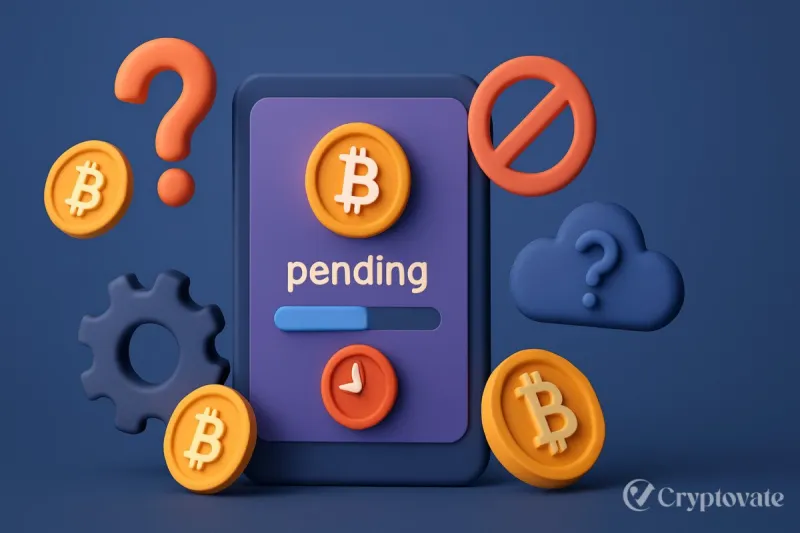
Photo: cryptocurrency withdrawal pending blockchain transaction hourglass digital, via www.cryptovate.io
You hit a solid session. Your balance is up, the market's ticking in your favor, and you're ready to pull out. You request a withdrawal — and then you wait. An hour. Three hours. Maybe a full day. By the time your funds actually land, the window you wanted to convert or reinvest into is long gone.
That's not bad luck. That's a structural problem baked into how most crypto gaming platforms handle settlements — and it's costing US players real money on a regular basis.
The Opportunity Cost Nobody Talks About
Most players focus on house edge, RTP percentages, and bonus terms. Almost nobody stops to calculate how much they're losing just from sitting in withdrawal limbo during a volatile market window.
Here's a simple way to think about it: if you're waiting 12 hours for a $2,000 withdrawal and Bitcoin moves 4% in that window — which it absolutely can and does — you've just absorbed an $80 swing you had no control over. That's not a fee you agreed to. That's a hidden tax imposed by slow infrastructure.
Crypto markets don't sleep. The whole point of blockchain-based gaming is that you're operating in a 24/7 environment. If your platform's settlement system is running on a Tuesday-through-Friday business-hours clock, you're playing a modern game with legacy plumbing.
How Confirmation Requirements Vary Wildly by Chain
Not all blockchains are created equal when it comes to actual settlement speed, and the gap between them is wider than most players realize.
Ethereum remains one of the slowest options for gaming withdrawals in practical terms. Even with Layer 2 improvements, mainnet confirmations during high-traffic periods can stretch withdrawal timelines significantly. Platforms that settle on Ethereum mainnet often require anywhere from 12 to 35 confirmations before releasing funds — that's not a glitch, that's policy.
Solana and Avalanche are considerably faster in real-world conditions. Solana's average confirmation time hovers around 400 milliseconds, and platforms built natively on Solana can often push withdrawals through in under two minutes when the chain isn't congested. Avalanche's finality model means transactions are truly final in about one to two seconds — no waiting around for reorg protection.
Polygon sits somewhere in the middle. Cheap and reasonably fast, but bridge delays between Polygon and Ethereum mainnet can introduce unexpected holdups if you're trying to move funds off-chain.
Bitcoin Lightning is technically the fastest option for BTC-denominated platforms, but Lightning adoption among gaming platforms is still patchy in 2025. When it works, it's near-instant. When it doesn't, you're dealing with routing issues that can be even more frustrating than standard confirmation delays.
The bottom line: before you deposit anywhere, it's worth checking which chain the platform actually settles on — not just which tokens they accept.
When Delays Aren't Accidental
Here's the part that should make you uncomfortable: some of those delays aren't technical limitations. They're design choices.
A handful of platforms have built their withdrawal flows with what insiders call "friction architecture" — subtle delays, extra confirmation screens, or pending balance displays that keep your winnings visible in your account dashboard while you're still on the platform. The psychology is straightforward. If you can see the money sitting there, the temptation to just throw it back into a game rather than wait for the withdrawal to clear is very real.
Some platforms go further, offering "instant play" options that let you use pending withdrawal balances on new bets — essentially converting your withdrawal request back into an active wager. That feature gets marketed as convenience. It's not. It's a mechanism to recapture funds you've already tried to take off the table.
Watch for platforms that display your withdrawal as "processing" indefinitely without clear blockchain transaction IDs. If you can't verify your withdrawal on a public block explorer within 15 minutes of requesting it, that's a red flag worth taking seriously.
What Faster Actually Looks Like
For comparison, platforms running on Solana or Avalanche with automated payout systems can realistically process withdrawals in under five minutes during normal conditions. A few platforms built specifically for high-frequency players have invested in dedicated node infrastructure that batches and processes withdrawals continuously rather than on manual review cycles.
The difference between a platform that reviews withdrawals manually every few hours and one that uses smart contract automation is enormous in practice. The former introduces human latency into a system that shouldn't need it. The latter just executes.
When you're evaluating platforms, look for these specifics:
- Published withdrawal processing SLAs — does the platform actually commit to a timeframe?
- Blockchain transaction IDs provided at the moment of request, not after processing
- On-chain verification — can you track your withdrawal in real time on a public explorer?
- No manual review requirements for withdrawals under a stated threshold
Protecting Your Timing
Until the industry as a whole gets its act together on settlement speed, there are a few practical moves US players can make right now.
First, don't wait until you're ready to cash out to think about this. Before your first deposit on any platform, run a test withdrawal of a small amount. Seriously. The $5 or $10 you spend confirming that withdrawals actually process quickly is cheap insurance.
Second, time your withdrawal requests strategically. On-chain congestion follows predictable patterns — Ethereum, for example, tends to be most congested during US market hours. If you're on an Ethereum-based platform, requesting withdrawals during off-peak windows (late night US time, early morning) can meaningfully reduce your wait.
Third, maintain a diversified platform presence. Keeping balances across two or three platforms on different chains means you're not entirely dependent on any single settlement pipeline when timing matters.
Frozen funds aren't just an inconvenience. In a market that moves as fast as crypto does, they're a genuine financial liability. Play smart enough to factor that in before the session starts.